


Morocco is more than just a land of deserts, spices, and stunning landscapes. Over the years, this North African country has caught the eye of filmmakers from around the world. With its unique mix of ancient cities, sweeping deserts, and charming coastal towns, Morocco offers a perfect backdrop for movies. One city that has stood out in the film world is Essaouira. Known for its historical architecture, windy beaches, and relaxed vibe, Essaouira has hosted a number of famous films shot in Morocco. In this blog, we will explore movies made in Morocco, especially in Essaouira, and why Hollywood keeps coming back.
Why Morocco is a Filmmaker’s Paradise
Morocco has been a favorite destination for filmmakers for decades. The country offers several advantages for movie production:
Diverse Locations – From vast deserts to bustling medinas and coastal towns, Morocco has it all. Moroccan landscapes in movies often include deserts, mountains, and coastlines, making the country extremely versatile.
Rich Culture and History – Morocco’s culture, with its traditional markets, ancient palaces, and colorful festivals, gives films an authentic feel that’s hard to replicate elsewhere.
Cost-Effective Filming – Compared to Europe or North America, filming in Morocco can be more affordable, with lower production costs and access to skilled local crews.
Favorable Climate – Morocco has mostly sunny weather, which makes outdoor filming easier for long stretches.
Film-Friendly Policies – Over the years, Morocco has developed a reputation for welcoming international film crews, offering incentives and support for major productions.
These factors have made Morocco one of the best filming destinations for both Hollywood and independent filmmakers.
Essaouira: The Star of Morocco’s Film Scene
Among Moroccan cities, Essaouira has become a hotspot for international filmmakers. The city’s charm lies in its old-world architecture, vibrant medina, and windswept beaches. Essaouira has a very different feel from Marrakech or Casablanca—it’s relaxed, artsy, and perfect for scenes that demand authenticity and beauty.
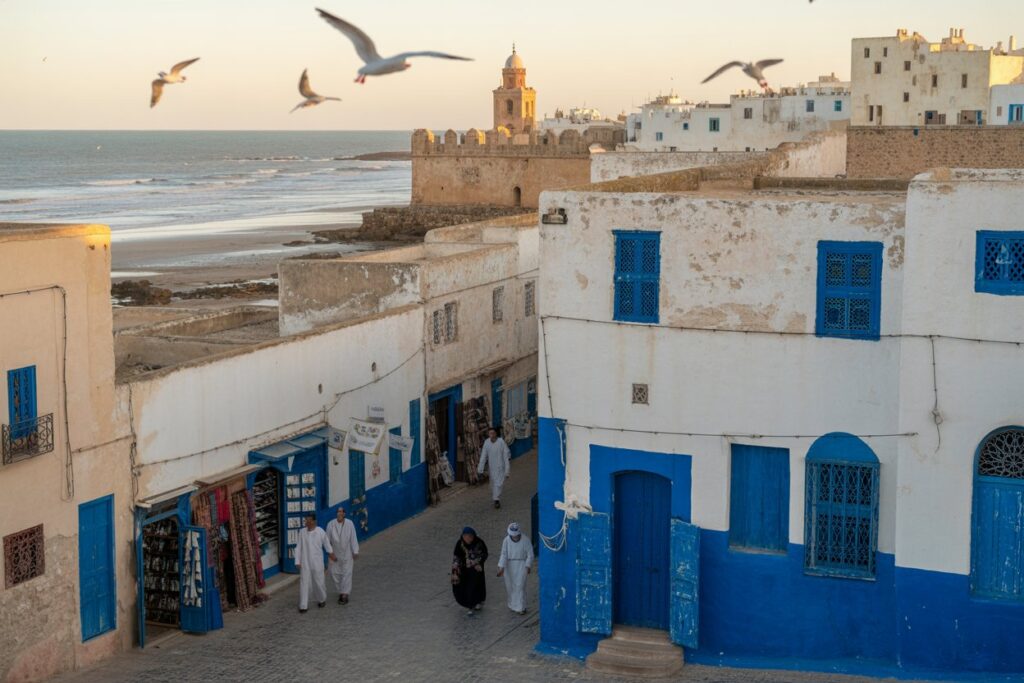
Some reasons filmmakers love Essaouira include:
- Historic Medina – The old city walls and narrow streets create a magical backdrop for period films. Many Essaouira film locations have appeared in Hollywood movies shot in Morocco.
- Beaches and Ports – The Atlantic coast offers dramatic scenery for action and adventure.
- Blend of Cultures – Moroccan, Berber, and Portuguese influences make the city visually appealing for international audiences.
- Local Support – Friendly locals and experienced extras help filmmakers recreate scenes authentically.
Famous Movies and TV Shows Made in Morocco
Morocco has been the setting for numerous international hits. Here are some of the most recognizable films and TV shows filmed in Morocco that you might know:
Game of Thrones (TV Series)
Yes, the famous fantasy series was also filmed in Morocco! Scenes representing Astapor and Yunkai were shot in Essaouira. The city’s winding streets, sandstone buildings, and bustling markets created the perfect look for these fictional cities. Fans often refer to this as Game of Thrones Morocco Essaouira when visiting the location.
Othello (1995)
The classic Shakespeare adaptation starring Laurence Fishburne was filmed partly in Morocco. Essaouira’s historic fortresses and streets provided an authentic backdrop for the dramatic story.
The Wind and the Lion (1975)
This adventure movie starring Sean Connery features scenes shot in Moroccan cities, including Essaouira. The film’s desert and coastal scenes are excellent examples of Morocco’s striking landscapes being used in movies.
Hideous Kinky (1998)
Starring Kate Winslet, Hideous Kinky follows a woman and her children living in Morocco during the 1970s. The film highlights Morocco’s scenic beauty and the bohemian charm of Essaouira.
Other Popular Movies Filmed in Morocco
Morocco has also hosted several other hits over the years. Many films have taken advantage of the country’s deserts, historic cities, and coastal locations. From large-scale blockbusters to smaller productions, Morocco’s cinematic appeal continues to attract filmmakers from around the world.
Why Essaouira is Different from Other Moroccan Film Locations
While cities like Marrakech and Casablanca are also popular for films, Essaouira offers something unique:
Less Commercialized – Unlike Marrakech, Essaouira hasn’t become overly touristy, which makes filming more natural and less crowded.
Authentic Local Life – Filmmakers can capture traditional Moroccan life without artificial staging.
Windy Beaches for Drama – Essaouira’s winds create dramatic scenes for action and adventure movies.
These qualities make Essaouira one of the best Moroccan cities for film shooting.
Famous Directors Who Love Morocco
Morocco has long been a cinematic treasure, attracting legendary directors with its breathtaking and versatile landscapes.

David Lean was among the first to showcase its beauty, using the sweeping deserts to film parts of his epic, Lawrence of Arabia, which won seven Academy Awards.
Ridley Scott also fell for the country’s unique terrain. For The Martian, he transformed the deserts near Ouarzazate into the surface of Mars, proving Morocco’s ability to depict alien worlds.
Steven Spielberg has similarly recognized its value, with his productions scouting the country for projects requiring authentic desert and historical backdrops.
With its golden dunes, ancient architecture, and world-class facilities like Atlas Studios, Morocco offers an unparalleled canvas. These directors understand that filming in Morocco is not just about a location—it’s about capturing a timeless and magical quality that elevates their storytelling.
Visiting Film Locations in Morocco
If you are a movie lover, you might be curious about exploring real film locations in Morocco. The country is a popular destination for film tourism, and many fans enjoy planning trips to see famous scenes and iconic sites. Here’s how you can experience it:
1. Guided Film Tours
Several local tour companies offer Essaouira film locations tours. They show you where famous scenes were shot and tell behind-the-scenes stories.
2. Explore the Medina
The medina’s narrow streets and historic buildings have appeared in popular movies filmed in Morocco. Walking through the alleys, you can spot places from Game of Thrones, Morocco, Essaouira, and Hideous Kinky.
3. Visit the Beach and Port
Essaouira’s windy beaches and old port have been used in action and adventure scenes. It’s a must-see for fans interested in Morocco movie locations.
4. Interact with Locals
Local artisans, musicians, and fishermen often feature in films or documentaries shot in Morocco. Talking to them gives insight into the city’s film-friendly culture.
Why Morocco Will Continue to Attract Filmmakers
Morocco’s appeal to the film industry is unlikely to fade anytime soon. Here’s why:
- Versatility – A single location can represent multiple cities, countries, or even fictional worlds.
- Cost Savings – Lower production costs make Morocco attractive for both Hollywood and independent studios.
- Authenticity – Morocco’s architecture, culture, and landscapes provide natural beauty that no set can replicate.
- Accessibility – Cities like Essaouira, Marrakech, and Casablanca are well-connected and easy to work in.
With these advantages, Morocco will continue to feature in Hollywood movies shot in Morocco and smaller productions alike.
Tips for Travelers Who Love Movies
If you’re visiting Essaouira or other Moroccan cities and love films, here are a few tips:
- Do Your Research – Find out more about the films and TV shows that were filmed in the areas you plan to visit.
- Hire Local Guides – They know the city’s hidden spots and can show you Morocco cinema spots you won’t find on maps.
- Bring a Camera – Morocco is photogenic, and you might recognize scenes from films shot in Morocco.
- Visit Film Festivals – Morocco hosts festivals like the Marrakech International Film Festival.
- Blend Exploration with Film History – Walk streets, visit markets, and explore beaches used in films shot in Morocco with desert scenes.
Conclusion
From ancient medinas to windswept beaches, Morocco is more than a backdrop—it’s a character itself. Essaouira, with its historic streets and coastal charm, has captured the attention of filmmakers worldwide. Hosting movies made in Morocco, the city blends beauty, authenticity, and cinematic magic.
Movie enthusiasts can walk the paths of favorite characters, explore iconic filming spots, and feel the atmosphere of scenes brought to life on screen. Whether you’re a casual traveler or a die-hard film fan, Essaouira offers a unique window into cinema. Lights, camera, Essaouira—it’s Morocco’s hidden gem on the big screen.
FAQs About Movies Made in Morocco and Essaouira Film Locations
1. Can I visit movie locations in Morocco?
Yes! Many film locations in Morocco, including Essaouira, Marrakech, and Ouarzazate, are open to the public. Guided tours are also available for travelers interested in exploring famous sites from films.
2. Are there any Game of Thrones locations in Morocco?
Yes, Essaouira was used for some key scenes in Game of Thrones. Fans can explore the city and recognize the streets and buildings featured in the show.
3. Do I need a guide to visit film locations?
While not mandatory, hiring a local guide is recommended. They can show hidden spots, explain the history, and share behind-the-scenes stories about films shot in the area.
4. Which cities in Morocco are best for movie enthusiasts to visit?
Essaouira, Marrakech, Casablanca, and Ouarzazate are the most popular cities for film locations. Each offers unique landscapes and historic sites that have appeared in international films.
5. Can I take photos at these movie locations?
Yes, most locations are open for photography. Some private areas may require permission, but public streets, beaches, and medinas are generally free to explore and photograph.
6. Are there any film festivals in Morocco?
Yes, Morocco hosts several film festivals, with the Marrakech International Film Festival being the most prominent. It’s a great opportunity to learn about both Moroccan and international cinema.